
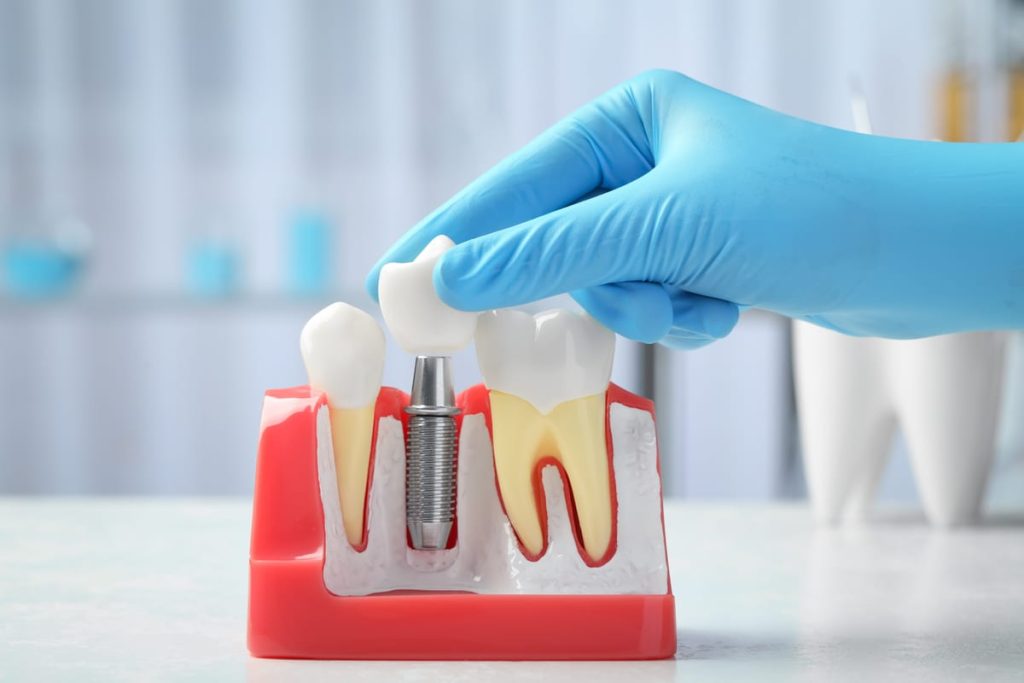
Getting a dental crown is a significant investment in your smile. But dental crowns need special care — your complete maintenance guide for Blackwell patients starts right here. Dr. Aaron Neale at Blackwell Dentistry wants every patient to get the most from their restoration. With the right daily habits, your crown can last 10 to 15 years or longer.
Crowns cover damaged or weakened teeth with a custom-fitted cap. They restore function, strength, and appearance. However, they are not invincible. Understanding how to protect them is just as important as getting the procedure done.
Why Dental Crowns Need Special Care Every Day
A dental crown protects the underlying tooth structure. But the tooth root and gum line remain vulnerable to bacteria. Plaque can still build up around the crown margin — the edge where the crown meets the gum. Ignoring this area can lead to decay, gum disease, or crown failure.
Many patients assume a crowned tooth is fully protected. That is a common misconception. The natural tooth beneath the crown can still develop cavities. Consistent oral hygiene prevents bacteria from sneaking under the crown edge.
Investing in Preventive Dentistry Blackwell is the best way to extend your crown’s lifespan. Preventive habits address problems before they become costly repairs. Think of your crown as a protective shell — it still needs a clean environment to thrive.
How to Clean Around Crown Margins Properly
The crown margin is one of the most important areas to clean. This is where the crown edge meets the gum tissue. Plaque loves to collect here, especially if brushing technique is poor. Neglecting this spot increases your risk of gum disease and decay.
Follow these steps to clean your crown effectively every day:
- Brush twice daily using a soft-bristled toothbrush
- Angle your brush at 45 degrees toward the gum line
- Use gentle circular strokes — never scrub aggressively
- Floss once daily, sliding carefully around the crown base
- Use a water flosser for extra cleaning around the margin
- Rinse with an antibacterial mouthwash to reduce bacteria
Flossing around a crown requires a bit of technique. Slide the floss gently between teeth and curve it in a C-shape around the crown base. Pull the floss along each side without snapping it. Snapping can dislodge a temporary crown or irritate sensitive gum tissue.
Consider asking Dr. Neale about interdental brushes. These small tools reach tight spaces between teeth and around crown margins. They are especially helpful for patients with bridges or multiple restorations.
Foods to Avoid When You Have a Dental Crown in Blackwell
Your diet plays a major role in protecting your dental crown. Certain foods can crack, loosen, or stain your restoration. Being mindful of what you eat extends the life of your crown significantly. Small dietary adjustments can prevent expensive repairs down the road.
Avoid these foods and habits to protect your crown:
- Hard candies and ice — these can crack porcelain or chip ceramic crowns
- Sticky foods like caramel, taffy, and gummy candies — they can pull crowns loose
- Chewy breads and bagels — excessive chewing stress weakens the cement bond
- Popcorn kernels — unpopped kernels crack restorations suddenly
- Biting fingernails or opening packages with teeth — this creates dangerous pressure
- Excessive coffee, tea, or red wine — these stain porcelain-fused crowns over time
Temporary crowns deserve extra caution. If you have a temporary crown while waiting for your permanent restoration, avoid sticky and hard foods entirely. Temporary crowns are held in place with weaker cement by design. They are meant to be removed easily at your next appointment.
Patients who grind their teeth face additional dietary concerns. Even normal chewing can become damaging when combined with nighttime grinding. This brings us to one of the most overlooked aspects of crown care.
The Role of Night Guards for Crown Protection in Blackwell
Bruxism — the habit of grinding or clenching teeth — is a serious threat to dental crowns. Many patients grind at night without realizing it. The forces generated during grinding can crack or fracture even the strongest restorations. A single night of heavy grinding can undo months of careful oral hygiene.
Signs that you may be grinding include waking up with jaw soreness, headaches, or facial tension. Your partner may notice grinding sounds while you sleep. Dr. Neale evaluates for bruxism signs at every checkup, including worn enamel and flattened tooth surfaces.
A custom night guard is one of the most effective protective tools for crown patients. It fits precisely over your teeth and absorbs grinding forces. Over-the-counter guards exist, but they rarely fit well enough to be truly protective. A custom-fitted guard from Blackwell Dentistry distributes pressure evenly and protects your investment.
Mouthguards are not just for athletes. Patients who grind benefit enormously from wearing one nightly. Ask Dr. Neale whether a night guard is right for your situation during your next visit.
Scheduling Regular Checkups to Monitor Your Crown
Even with excellent home care, professional monitoring is essential. Regular dental checkups allow Dr. Neale to examine the crown margin, check the bite, and spot early warning signs. Small problems are far easier and less expensive to address when caught early.
During your checkup, the team will professionally clean around your crown. They remove tartar buildup that brushing and flossing cannot eliminate. X-rays may be taken periodically to check for decay beneath the crown. These visits are a cornerstone of long-term crown success.
Family Dentistry Blackwell means that every member of your household can receive this level of attentive care. Whether a child has a pediatric crown or an adult has multiple restorations, Blackwell Dentistry supports the whole family. Consistent professional care works hand in hand with your daily habits at home.
Most patients benefit from checkups every six months. However, if you have a history of gum disease or bruxism, Dr. Neale may recommend more frequent visits. Personalized scheduling ensures your crown receives the attention it deserves.
Protecting Your Crown Is an Ongoing Commitment
A dental crown is one of the best tools modern dentistry offers for restoring damaged teeth. But its success depends on your daily commitment to proper care. Cleaning around the margins, avoiding harmful foods, and wearing a night guard if needed are all essential steps. These habits work together to protect your smile for years to come.
Blackwell residents trust Dr. Aaron Neale and the team at Blackwell Dentistry for expert guidance and compassionate care. Whether you have an existing crown or are considering one, we are here to help every step of the way. Book Now to schedule your appointment with our team.
Frequently Asked Questions
How long does a dental crown last with proper care?
A well-maintained dental crown typically lasts between 10 and 15 years. Some crowns last even longer with excellent oral hygiene and regular professional checkups. Grinding habits and diet choices can shorten a crown’s lifespan significantly.
Can the tooth under a crown still get a cavity?
Yes, the natural tooth structure beneath a crown remains vulnerable to decay. Bacteria can enter at the crown margin if the area is not cleaned properly. This is why brushing and flossing around the crown edge every day is so important.
Do I really need a night guard if I have a crown?
If you grind or clench your teeth, a custom night guard is strongly recommended. Grinding generates far more force than normal chewing and can crack or loosen a crown. A well-fitted guard absorbs that pressure and protects your restoration while you sleep.
What should I do if my crown feels loose or uncomfortable?
Contact Blackwell Dentistry promptly if your crown feels loose, sensitive, or uncomfortable. A loose crown can allow bacteria to enter beneath it and cause decay. Early attention prevents more extensive and costly treatment down the road.
Are there any foods I should avoid permanently after getting a crown?
Hard candies, ice, and very sticky foods are best avoided long-term with a crown. These put extreme stress on the restoration and can cause fracture or dislodgement. A moderate diet that limits these items helps your crown last as long as possible.